AGROECOLOGICAL FUND: Agroecological entrepreneurship starts here
9 September 2026Shifting Food Systems in Africa from Extraction to Regeneration
- 0
- 24 views

Shifting Food Systems in Africa from Extraction to Regeneration
Governments increasingly recognize that achieving food security, climate resilience, improved nutrition and inclusive economic development requires a systems approach.
Instant noodles, hot chapatis and sliced bread: wheat is at the heart of the modern diet. But this year, some of the world’s major breadbaskets are facing serious challenges.
For more than two decades, Africa has pursued an agricultural transformation based on improved seeds, synthetic fertilisers, mechanisation and commercial markets. AFSA now assesses this model and questions what it.
Global crop yields are being significantly eroded by soil degradation, according to the first worldwide study seeking to quantify its impact on agricultural production.
The world must be better prepared for major recurring shocks to agriculture as El Niño poses renewed threats to global food production and food security.
The International Water Management Institute has launched the Water Governance Accelerator to help bridge the gap between policy commitments and implementation on the ground, while supporting more inclusive and sustainable.
A global study highlights the significant impact of soil degradation on crop yields. The gradual deterioration of agricultural land is reducing worldwide food production and increasing risks to global food.
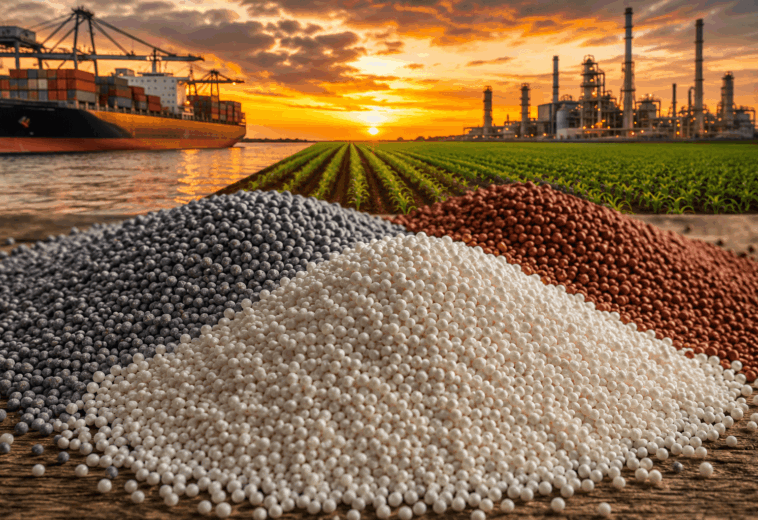
While rising transportation and logistics costs are already contributing to higher food prices, fertilizer markets could become the next major challenge for agriculture, with mounting pressure on input costs and.
China’s future food roadmap places alternative proteins at the centre of its strategy to strengthen food security, improve nutrition and support the sustainability of the food system.