UM6P Supports African Ambitions
12 September 2023The 2023 Annual Meetings of the World Bank Group and the International Monetary Fund will be held in Marrakech, Morocco, from October 9th to 15th. On this occasion, Mohammed VI.
- 0
- 533 views

The 2023 Annual Meetings of the World Bank Group and the International Monetary Fund will be held in Marrakech, Morocco, from October 9th to 15th. On this occasion, Mohammed VI.
Climate change continues to reshape our ecosystems. A study published in the journal Global Change Biology has shown that between 2000 and 2010, 70% of high-altitude forests have gained height,.
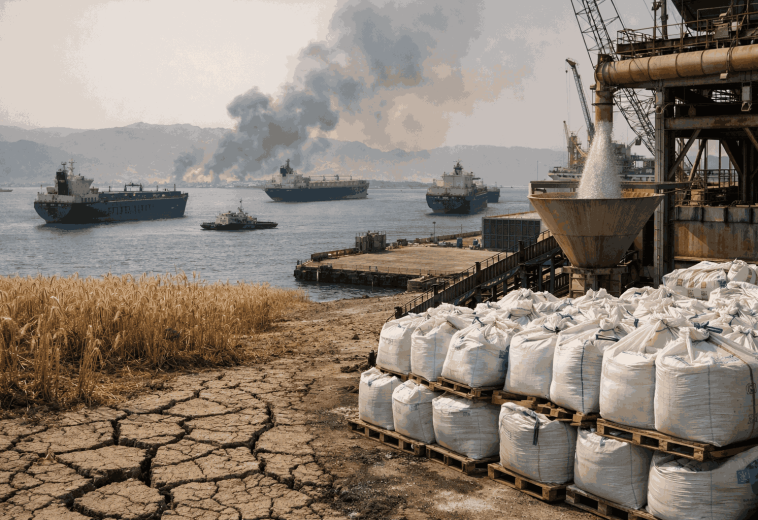
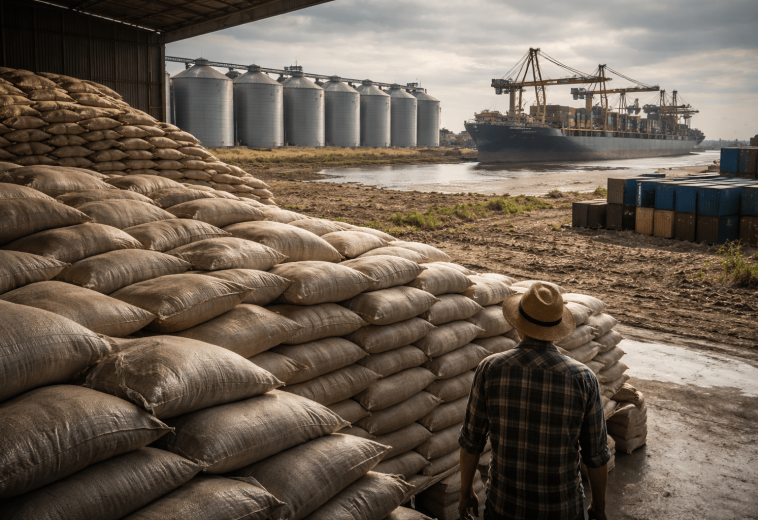
Already affected by the rise in cereal prices, Africa is also impacted by the non-renewal of the cereal trade agreement allowing the export of Ukrainian wheat via the Black Sea..
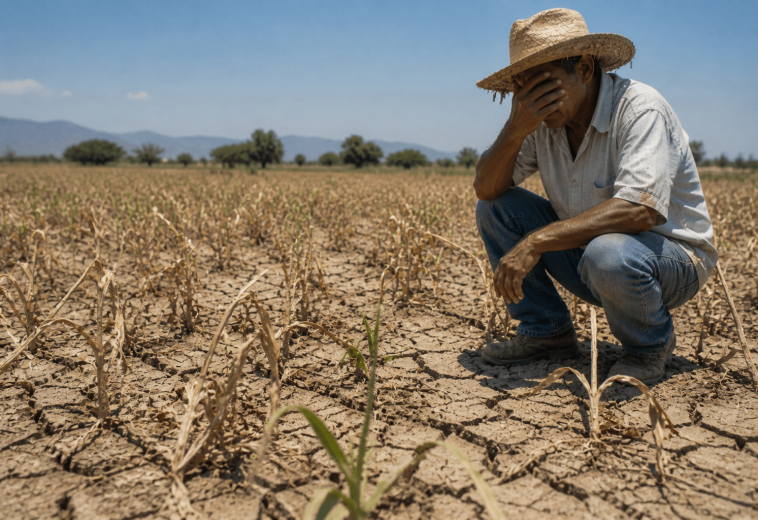
Out of the 783 million individuals who lack easy access to food, one-third are in Africa. The causes include exacerbated drought and the absence of agricultural resources and resilient food.
Faced with uncertainties surrounding the cotton sector, many producers are turning to soybean cultivation. Cotton production has declined by 66% over the past five years, despite the revitalization efforts by.
African countries have been hesitant to authorize GMOs. However, Rwanda took a step forward by announcing on July 13th a draft law authorizing the genetically modified organisms, their importation, commercialization,.
The second edition of the African Youth Summit on Biodiversity (AYSB2023) will be held at the Dawliz Hotel in Rabat from September 19 to 21, 2023.The event is supported by.
In early July, African representatives traveled to Seoul to finalize the deployment arrangements for the K-Rice Belt program. This project, with a budget of $80 million, is expected to generate.
In 2014, African countries adopted the Malabo Declaration, named after the Guinean city where the meeting took place. This declaration applies to the Comprehensive Africa Agriculture Development Programme (CAADP) and.
The expression and concept of “permaculture” originated in the 1970s, although the practice itself dates back much earlier. The principle is to maintain a living soil by promoting the presence.