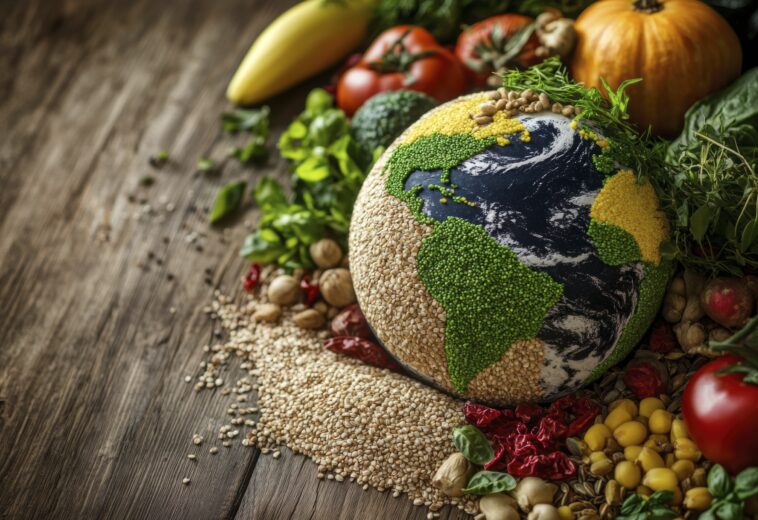
“FOOD REARMAMENT” AND ITS PARADOXES
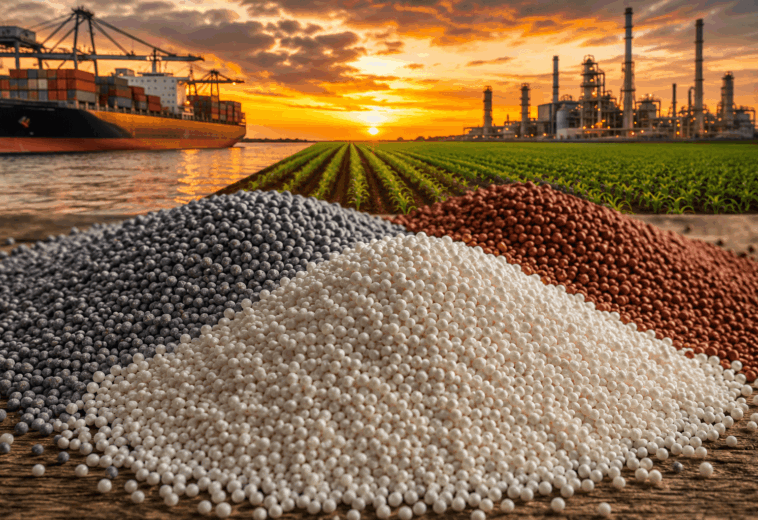
19 January 20262026 will go down in human and agricultural history as the year when the world began to (re)build its food reserves on a massive scale. This phenomenon is driven both.
- 0
- 48 views
2026 will go down in human and agricultural history as the year when the world began to (re)build its food reserves on a massive scale. This phenomenon is driven both.
Al Moutmir is an initiative of the OCP Group and Mohammed VI Polytechnic University (UM6P), launched in 2018. Its primary role is to support Moroccan farmers, particularly smallholders, in transitioning.
Fisheries (inland and maritime) are essential for Africa’s food security and are often the source of animal protein and essential nutrients for at least 300 million people, including in extremely.
Inbal Becker-Reshef is a leading expert in the use of Earth satellite observations for global food security and agricultural monitoring. In this capacity, she leads NASA Harvest, whose mission is.
The poorest countries in Africa have great difficulty finding financing for their agriculture. They are faced with a painful dilemma: repaying very expensive loans or dealing with the most urgent.
Lumpy skin disease (LSD) is a viral disease that causes significant production losses in affected livestock. The LSD was traditionally limited to southern and eastern Africa. In recent years, the.
If it is to achieve the vital goal of food security, Africa must preserve its biodiversity by developing its genomic capacity and infrastructure, according to the African BioGenome Project (Africa.
The Gates Foundation invests in the Argentine company Puna Bio to encourage it to introduce its extremophiles in sub-Saharan Africa. These products are particularly suited to help crops survive in.
Between 2001 and 2023, Africa recorded the world’s highest growth in cultivated agricultural land. According to FAO. 96% of the global increase in cultivated areas between 2021 and 2023 (i.e..
A recent study by the European Alliance for Regenerative Agriculture (EARA) farmers’ group says that regenerative systems — ranging from agroecology to conservation agriculture and organic farming — are “not.