
Worse than the oil shock is the food shock. The latter is lurking around us and will probably make its effects felt in a few weeks. The fact that tons of oil and various goods are stuck at the bottom of the Strait of Hormuz is certainly worrying. But there is worse: the blocking of fertilizers. Indeed, unlike oil, for which strategic reserves exist, the flow of fertilizers is more rigid and operates on a just-in-time basis.
The Strait of Hormuz is the crossing point for about 30 to 35% of the world’s trade by sea. In March, 16 million tons of fertilizer are immobilized there. The region accounts for 43 to 49% of the world’s urea exports. Qatar, Saudi Arabia and Iran are the leaders. In addition, the Strait sees 44% of the world’s sulphur (by-product of gas and sulphur) and 30% of ammonia pass through. Sulphur is essential for the production of sulphuric acid needed to transform the crude phosphate into usable fertilisers.
In less than a month, the paralysis of traffic has caused prices to soar. The price of urea has jumped by 30 to 50% depending on the region, exceeding $680 per tonne in some spot markets. Phosphate fertilizers (DAP/MAP), although less produced in the Gulf, their price has increased mechanically by 15 to 20% because of the shortage of sulfur necessary for the manufacture of phosphate fertilizers.
Impact on global food security
FAO describes this impact as “systemic” because it occurs during the critical planting window in the northern hemisphere (March-April). The winter wheat of America and Europe is waiting for its last application in three weeks. Half of the world’s population depends on synthetic fertilizers for their diet. Nitrogen fertilizers are responsible for half of the world’s food production. A reduction in their use leads to a non-linear but immediate drop in wheat, maize and rice harvests.
American farmers are particularly under pressure. Already victims of rising production costs and low selling prices, they have seen the number of bankruptcies increase by 50% in 2025. Humanitarian relief is suffering because the United States is the largest donor.
Farmers are suffering a double shock. They face simultaneous exposure of fuels and fertilizers, which violently degrades their profitability.
Vulnerable regions
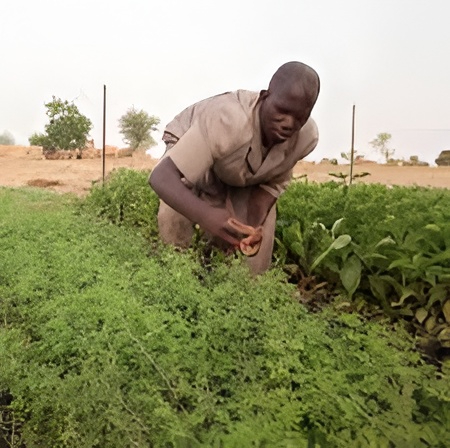
Sub-Saharan Africa is highly dependent on imports from the Middle East, up to 50% for countries such as Tanzania or Sudan. In South Asia, countries such as India and Pakistan are experiencing shortages that threaten their food security. In Europe and America, the impact is in the form of marked food inflation, with the increase in fertilizer costs being directly reflected in the price of bread or meat and processed products.
According to the WFP (World Food Programme), if the current crisis were to last until June, the 318 million people currently suffering from malnutrition would have to be added to the 318 million new malnourished.