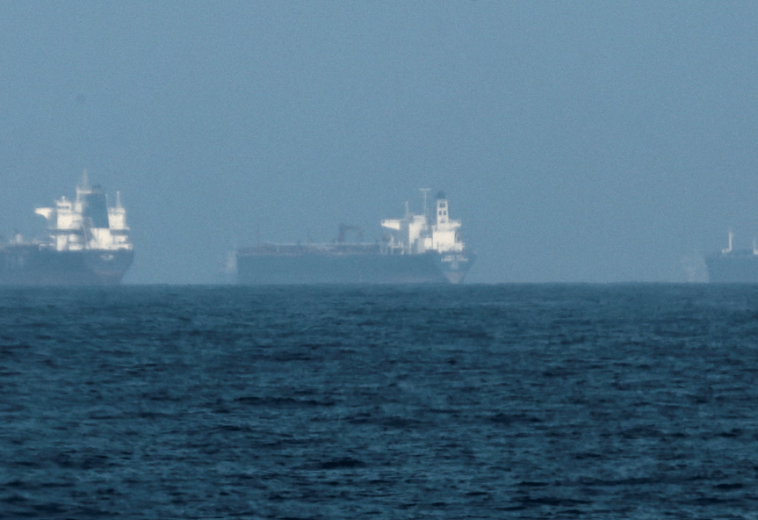

A third of global trade in all categories of fertilizers passes through the Strait of Hormuz, while the gas from this region is vital for the production of agricultural inputs. The American and Israeli attacks against Iran, along with Iran’s military retaliation, have disrupted the global fertilizer market, triggering a rush by farmers around the world toward supply sources at a time when the prices of these inputs were already very high.
If the war were to continue, this rush would cause sustained inflation in food prices, harmful to consumers, particularly those in poor countries. The fear of a fertilizer shortage has plunged farmers around the world into deep anxiety. The war in the Middle East is exposing the world to a real food shock, far worse than the one caused by Russia’s invasion of Ukraine in 2022.
The Middle East is the global pivot of the fertilizer production value chain. One third of the global urea trade passes through the Strait of Hormuz. Nearly 45% of global sulfur exports—an essential product for the manufacture of phosphate fertilizers—also pass through the strait.
The war has severely affected Middle Eastern producers of urea nitrogen, the most widely used fertilizer in the world, while the surge in gas prices has forced producers in South Asia to reduce their production. Since the beginning of the war, half of the world’s urea production has been disrupted. It is estimated that 1.1 million tons of fertilizers, including 570,000 tons of urea, are currently stranded in the Persian Gulf.
Nitrogen fertilizers—which contribute to half of global agricultural production—are made from ammonia, a major consumer of natural gas whose price has soared.
The reaction of the fertilizer market was immediate and brutal. The U.S. price of urea—widely used in corn cultivation—jumped by $100 per short ton (about 900 kilograms) to $570, surpassing the record set in October 2022. In Egypt, the price of granular urea rose by 20% to $585. Nutrient prices are also estimated to have increased significantly in Russia, one of the world’s leading fertilizer producers.
In many cases, inputs have been withdrawn from the market while buyers remain cautious, avoiding purchases. It is as if market players have paused to assess the consequences of the war and the future availability of fertilizers.
Indian urea producers have begun reducing their production after Qatar stopped supplying them with liquefied natural gas following an attack on its facilities. Indian fertilizer companies have been forced to reduce their gas consumption by 70%. In Pakistan, the producer Agritech announced that it is no longer receiving gas. Gas shortages are expected to lead to lower production of crops such as rice. The Qatari fertilizer company QAFCO has shut down its urea plant with an annual production capacity of 5.6 million tons.
South Asia is particularly vulnerable. Countries such as India, Pakistan, and Bangladesh import enormous quantities of LNG for their fertilizer production. Pakistan relies entirely on gas imports from Qatar. The latter country supplies 40% of India’s gas imports and two-thirds of Bangladesh’s. India’s 32 fertilizer manufacturing plants operate on gas.
In Europe, where the fertilizer industry was already weakened by rising costs and declining production due to Russian competition, the sharp increase in gas prices will severely worsen the situation. In Poland, the national fertilizer producer Grupa Azoty SA—one of the largest on the continent—has stopped taking orders for its products, citing soaring gas prices that have inflated its production costs.
The fear of a shortage is pushing some farmers to reduce the areas dedicated to fertilizer-intensive crops in favor of crops that require fewer inputs. But small farmers do not have the means to build fertilizer stocks or change their production mix. This is the case for palm oil producers, of whom 40% are small farmers. They risk applying less fertilizer—or none at all—to their fields, causing palm oil yields to fall. The price of urea has already jumped by 40%.
For now, grain reserves are sufficient to prevent a significant rise in the price of bread and meat for consumers in the short term. But if the war were to last, it would disrupt production cycles and consumers around the world would pay the price. Food price inflation will begin long before fertilizer shortages affect harvest volumes. The resurgence of famine would not be far behind.
As for the countries of the Global South, they would not merely suffer from a simple rise in prices, but from genuine food crises.
Sources: Bloomberg, Wall Street Journal and Financial Times.