
Samuel Njoroge, Esther Mugi-Ngenga, Bernice M. Limo, Oluwatobi Fakoya
Precision Agriculture (PA) in Africa has a relatively short history compared with other regions of the world. Uptake of PA technologies is also generally low and concentrated in a few countries. The low uptake of PA in Africa has been linked to various socio-economic, technological, and environmental constraints. These include low farm incomes, high capital cost of PA technologies, limited access to PA supportive technologies, small farm sizes, and undulating landscapes that limit the effective use of some PA supportive machinery. Despite these challenges and the current low uptake rate, PA remains highly relevant in farming systems in Africa.
Increased adoption of PA can play an important role in addressing many of the challenges associated with intensifying agricultural production, including sub-optimal crop and nutrient management practices and high spatial variability. The adoption of precision agriculture has been identified by the African Union as an important component of achieving an Africa free from hunger and poverty. The increasing availability of high-quality open-access data supporting PA, together with rapid advances in affordable digital technologies, provides opportunities to overcome some of the barriers that continue to limit adoption in Africa.
Recent continental commitments by African heads of state to harness digital technologies and provide targeted agronomic recommendations, together with the establishment of an association with an explicit mandate to integrate PA initiatives in Africa, also provide the policy and institutional support needed for wider adoption. A nuanced approach that integrates both hard and soft technologies adapted to specific socio-economic and environmental conditions will, however, be required to successfully scale precision agriculture across the continent and realize its full benefits.
The Need and Relevance of Precision Agriculture in Africa
The need for precision agriculture in Africa is fundamentally linked to the challenge of increasing agricultural productivity under highly variable production conditions. Uniform recommendations for crop and nutrient management are often poorly suited to farming environments where soil fertility, crop response, management history, and landscape position can vary considerably over short distances. This variability requires differentiated management so that agricultural inputs can be used efficiently and crop productivity can be increased sustainably.
PA provides tools for identifying and managing this variability. Soil and yield mapping can help delineate management zones, while variable-rate technologies allow nutrients to be applied at rates, times, and locations that are better matched to field conditions. Improved prediction, detection, and management of weeds, pests, and diseases can also strengthen agronomic management.
Precision agriculture can also address some limitations of traditional agricultural extension systems. The widespread use of mobile phones in Africa creates opportunities for real-time data collection and the delivery of localized recommendations on crop management, weather, pests, and diseases. When appropriately applied, these approaches can improve crop and nutrient management, increase input-use efficiency and productivity, reduce production costs and environmental impacts, and improve farm profitability.
PA is therefore becoming increasingly relevant within the broader transition toward Agriculture 4.0, in which data and digital technologies support more efficient and sustainable agricultural production. This importance is also recognized at the continental level. African governments have identified precision agriculture as an important component of agricultural transformation, while recent commitments aim to provide targeted recommendations adapted to crops, soils, and climatic conditions to at least 70% of smallholder farmers by 2034, including recommendations based on 4R Nutrient Stewardship principles.
Africa’s Distinct Precision Agriculture Pathway
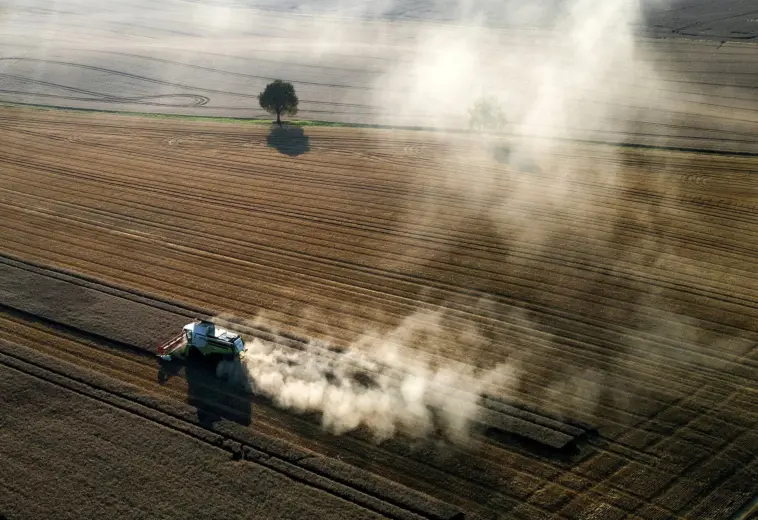
The implementation of precision agriculture in Africa differs considerably from that observed in the Global North. In more technologically advanced farming systems, PA commonly involves the use of satellites, drones, yield monitors, variable-rate equipment, and sophisticated sensor systems. In much of Africa, precision management is still guided more strongly by farmer observation and experience, including decisions based on perceived differences in land quality and productivity.
These differences partly reflect the longer history of PA research and adoption in North America, Australia, and Western Europe, as well as greater access to capital, infrastructure, technology, and specialized skills. Many of the challenges currently encountered in Africa, including high investment costs, specialized skill requirements, substantial training needs, and long periods before returns on investment are realized, were also encountered during the early stages of precision agriculture adoption elsewhere.
However, the dominance of smallholder agriculture in Africa means that approaches developed for larger and more highly capitalized farming systems cannot simply be transferred directly. African farming systems are also highly heterogeneous in terms of farm size, landscape, vegetation, soil conditions, and farmer resources. Precision agriculture approaches therefore need to be adapted to these conditions, with technologies selected and combined according to their practical and economic suitability for different farming systems.
Precision Agriculture within the Digital Agriculture Landscape
Precision Agriculture and Digital Agriculture (DA) are closely related but distinct. PA is a management strategy that gathers, processes, and analyzes spatial, temporal, and individual data and combines this information to support management decisions according to observed variability. Its objectives include improving resource-use efficiency, productivity, quality, profitability, and sustainability.
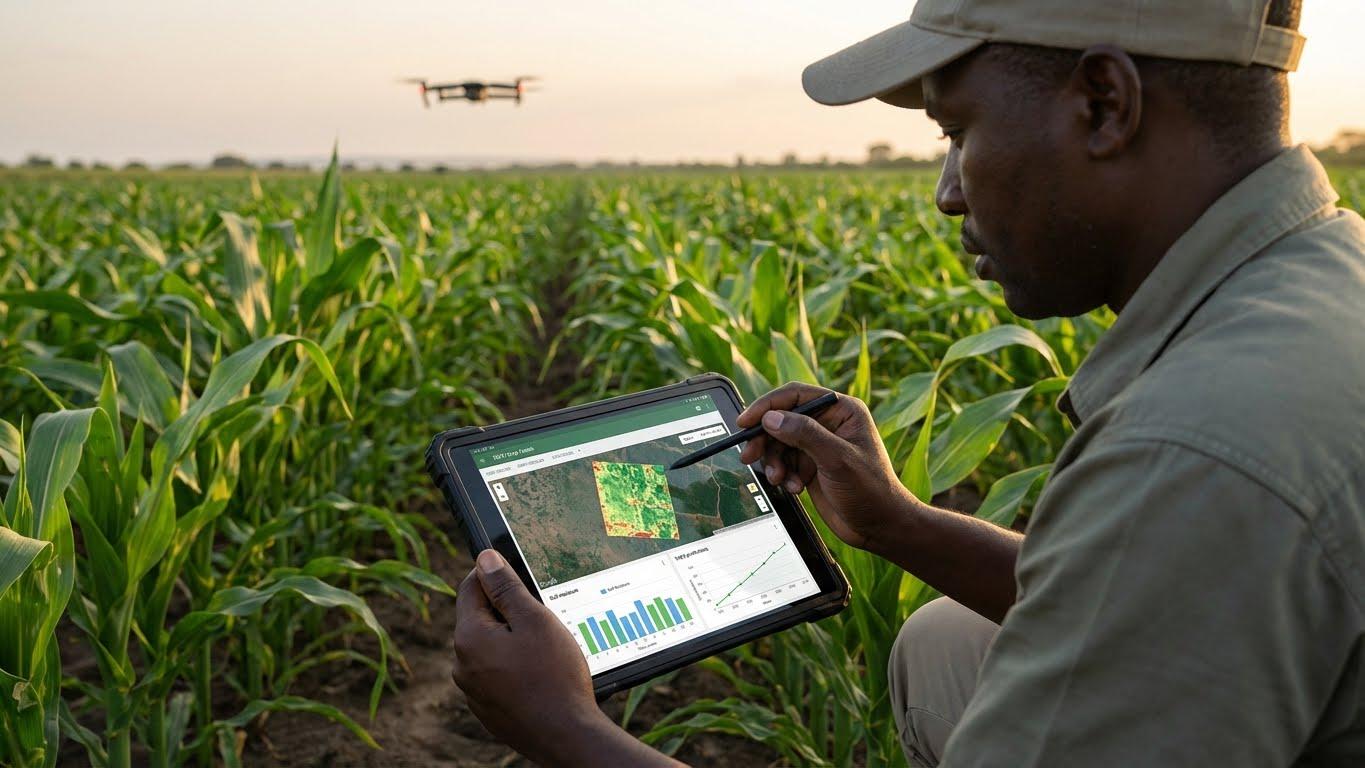
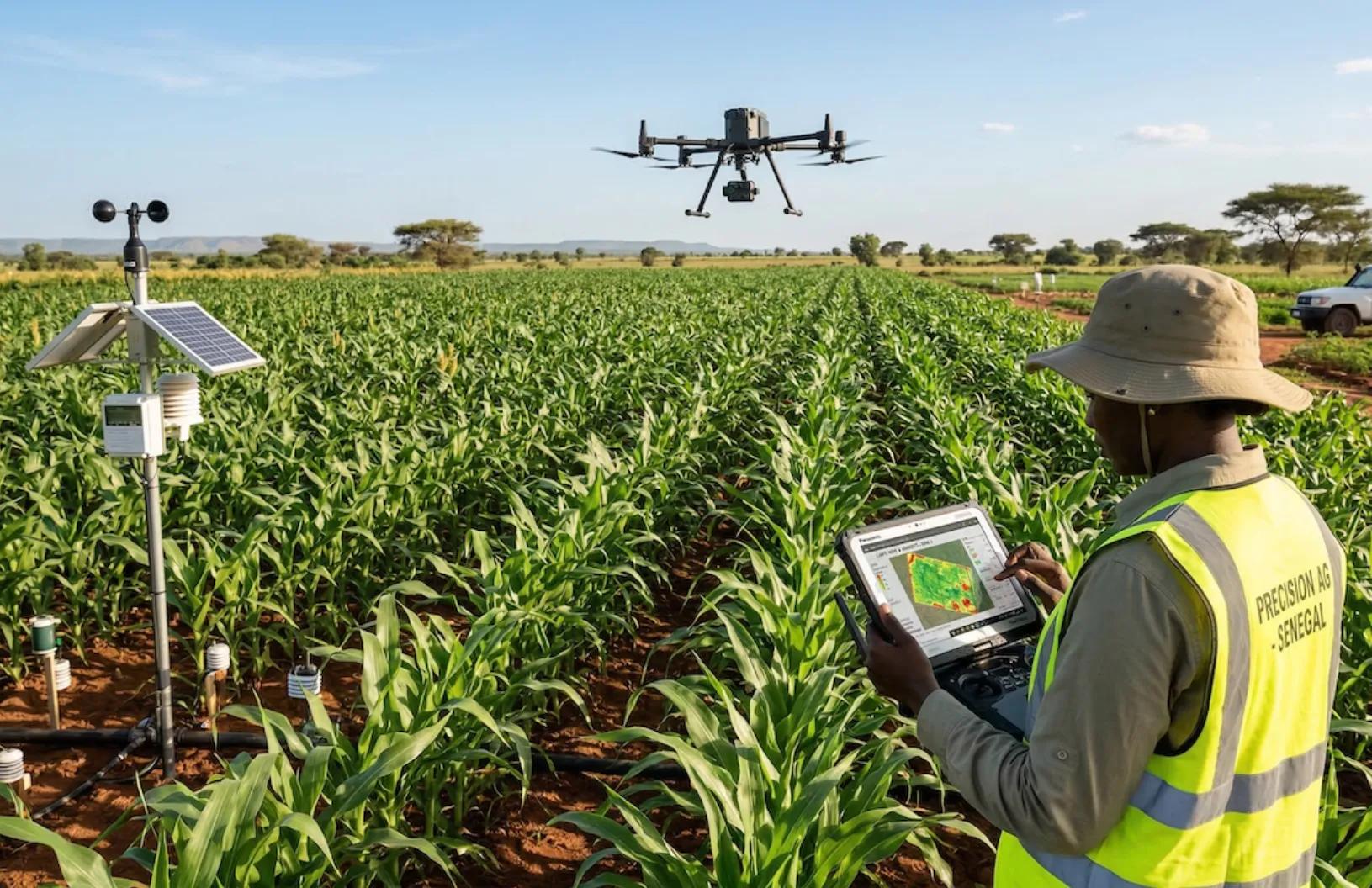
Digital Agriculture represents a broader transition toward connected, knowledge-based agricultural production systems. It incorporates precision agriculture methods while also using digital networks, web platforms, data management systems, and analytical tools to improve agricultural decision-making. In African smallholder systems, digital agriculture may range from relatively simple communication between farmers and extension agents through mobile phones to more sophisticated applications involving drones, satellites, and other digital technologies.
Digital technologies can also improve real-time access to market and farm information, facilitate financial transactions, strengthen value-chain linkages, and improve access to agricultural services. Precision Agriculture and Digital Agriculture should therefore be viewed as complementary. PA enables management that responds more precisely to variability, while DA provides the broader mechanisms through which information, services, and decision-support tools can be generated, connected, and delivered.
Constraints to Precision Agriculture Adoption
The adoption of precision agriculture in Africa is constrained by interrelated demographic, economic, educational, technical, and environmental factors. Economic barriers are particularly important. Many PA technologies require substantial initial investments in hardware, software, machinery, consultancy, and training. These requirements contrast sharply with the low farm incomes characteristic of many smallholder households. Limited access to finance and the absence of economies of scale further reduce farmers’ ability to invest in precision agriculture technologies.
Knowledge and capacity constraints are equally important. Farmer age, formal education, computer knowledge, and awareness of PA can influence adoption. Weak extension systems, insufficient investment in agricultural research, shortages of skilled personnel, and limited integration of precision agriculture into agricultural training and university curricula restrict both the development of locally appropriate technologies and their dissemination.
Technical constraints include poor internet connectivity, limited access to computers and smartphones, shortages of machinery and sensors, and inadequate availability of remote-sensing services and related technologies. These constraints directly affect the feasibility of PA systems that depend on digital connectivity and supportive technologies.
Environmental conditions create additional challenges. The undulating landscapes characteristic of much of Africa’s agricultural land can limit the use of machinery designed for relatively flat terrain, while trees within and between fields may also obstruct precision agriculture equipment. Yet these environments often display substantial spatial variability in soil fertility and crop response. The conditions that complicate the implementation of some technologies may therefore simultaneously increase the need for site-specific crop and nutrient management.
Emerging Opportunities for Wider Adoption
Despite these constraints, important opportunities are emerging for wider adoption of precision agriculture. Rapid advances in digital technologies and their increasing affordability provide a pathway for making PA more accessible to smallholder farmers. Technologies already being tested in Africa include soil and plant sensors for mapping nutrient and water levels, satellite imagery for crop mapping, GIS, and crop-simulation models to support site-specific management.
The increasing availability of open-access agricultural monitoring systems and spatial datasets provides another important opportunity. Global, continental, regional, and national data on land cover and cropped areas can help address data gaps that previously constrained precision agriculture research and application, while supporting the development of management approaches that are better adapted to local conditions.
The continental policy environment is also becoming increasingly supportive. The African Union Digital Transformation Strategy for Africa identifies precision agriculture, data analytics, digital platforms, and digital infrastructure as important components of digital development. Commitments to provide a large proportion of smallholder farmers with targeted agronomic recommendations according to crop and location further reinforce this direction.
The establishment of the African Association for Precision Agriculture also provides an institutional platform for advancing research, extension, education, and training, strengthening international collaborations, developing leadership and advocacy, and engaging policymakers. Together, these technological, institutional, policy, and data-related developments create an increasingly supportive environment for expanding precision agriculture in Africa.
Requirements for Scaling Precision Agriculture in Africa
Scaling precision agriculture will require coordinated efforts involving governments, the private sector, research and training institutions, extension systems, and farming communities. Improving access to reliable internet connectivity and digital infrastructure is fundamental, but this must be accompanied by capacity building, greater investment, and stronger public-private partnerships. Such partnerships can support farmer training, strengthen digital capacity, and create an enabling environment for the application of PA technologies.
Greater availability of reliable and consistent data for precision agriculture development is also required. Significant data gaps remain across the continent, while appropriate policies on data ownership, management, privacy, and cybersecurity are necessary to support innovation and wider adoption of digital agricultural solutions. Technologies must also be user-friendly and affordable, with training adapted to the capacities of farmers and extension personnel.
Most importantly, wider adoption of precision agriculture will require a nuanced approach that integrates both soft and hard technologies according to specific socio-economic and environmental conditions. Soft PA technologies rely primarily on visual observations and intuitive crop and soil management decisions, while hard technologies include tools such as GPS, remote sensing, and variable-rate technologies. Strategic combinations of these approaches can allow precision agriculture to serve the diverse users and farming systems found across Africa.
For individual smallholder farmers, simple and cost-effective technologies may provide practical solutions, while more advanced combinations of GIS, GPS, and variable-rate technologies may be implemented through approaches such as virtual land consolidation, cooperative farming, or in production systems where their use is appropriate. This differentiation allows PA strategies to be matched to the capacities and needs of different users.
The future expansion of precision agriculture in Africa will therefore depend on approaches that recognize the diversity of farming systems and socio-economic conditions across the continent. Rather than relying exclusively on highly technology-intensive models, wider adoption will require the strategic integration of simple and affordable soft approaches with appropriate hard technologies, supported by improved connectivity, reliable data, capacity building, investment, and supportive institutions. Such an approach can broaden access to site-specific management and help realize the productivity, resource-use efficiency, profitability, and sustainability benefits associated with precision agriculture in African farming systems.
This article is adapted from Njoroge et al. (2026), “Overview of Precision Agriculture in Africa,” in Precision Agriculture in Africa: Progress, Challenges and Opportunities, edited by S. Phillips and K. A. Frimpong, published by Springer.
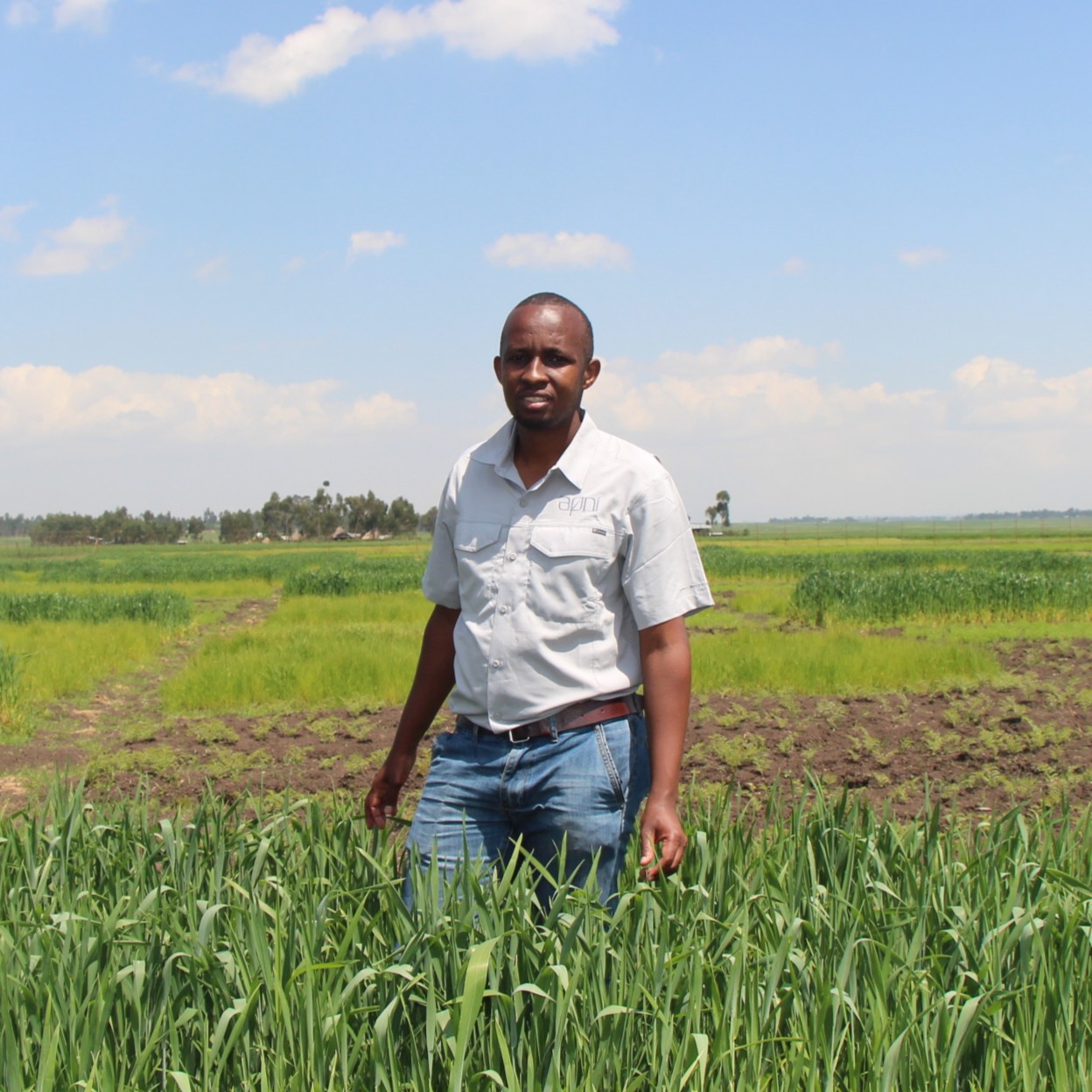
Who is Samuel Njoroge?
Dr. Samuel Njoroge is a scientist at the African Plant Nutrition Institute (APNI), based in Nairobi, Kenya. His work focuses on crop yield responses, nutrient management, and precision agriculture in African farming systems, particularly smallholders.
He has worked on yield variability and nutrient recommendations in heterogeneous smallholder farms in sub-Saharan Africa, where responses to nitrogen, phosphorus, and potassium can vary between and within fields.
He is also active in the African precision agriculture community and conferences.
His thinking in four key ideas
1. Africa is significantly behind.
The gap is not inevitable; Africa can develop a different, affordable, context-specific digital agriculture model.
2. The Global North precision agriculture model cannot simply be imported.
Larger farms and high mechanization characterize many systems in the Global North, while African agriculture is dominated by small farms and limited capital. Precision agriculture must therefore be adapted to African realities.
3. Digitalization could allow Africa to “leapfrog” stages.
The technological gap can become an opportunity for digital leapfrogging.
4. Precision agriculture must be designed for smallholder farmers.
Precision agriculture should not be limited to wealthy farms. It can help address low productivity, inefficient fertilizer use, variability, input wastage, and resource degradation.